Childhood nostalgia interwoven with Ticino history

A visit to the exhibition "The Red Zora and the Black Brothers" will make the inner child's heart beat faster.

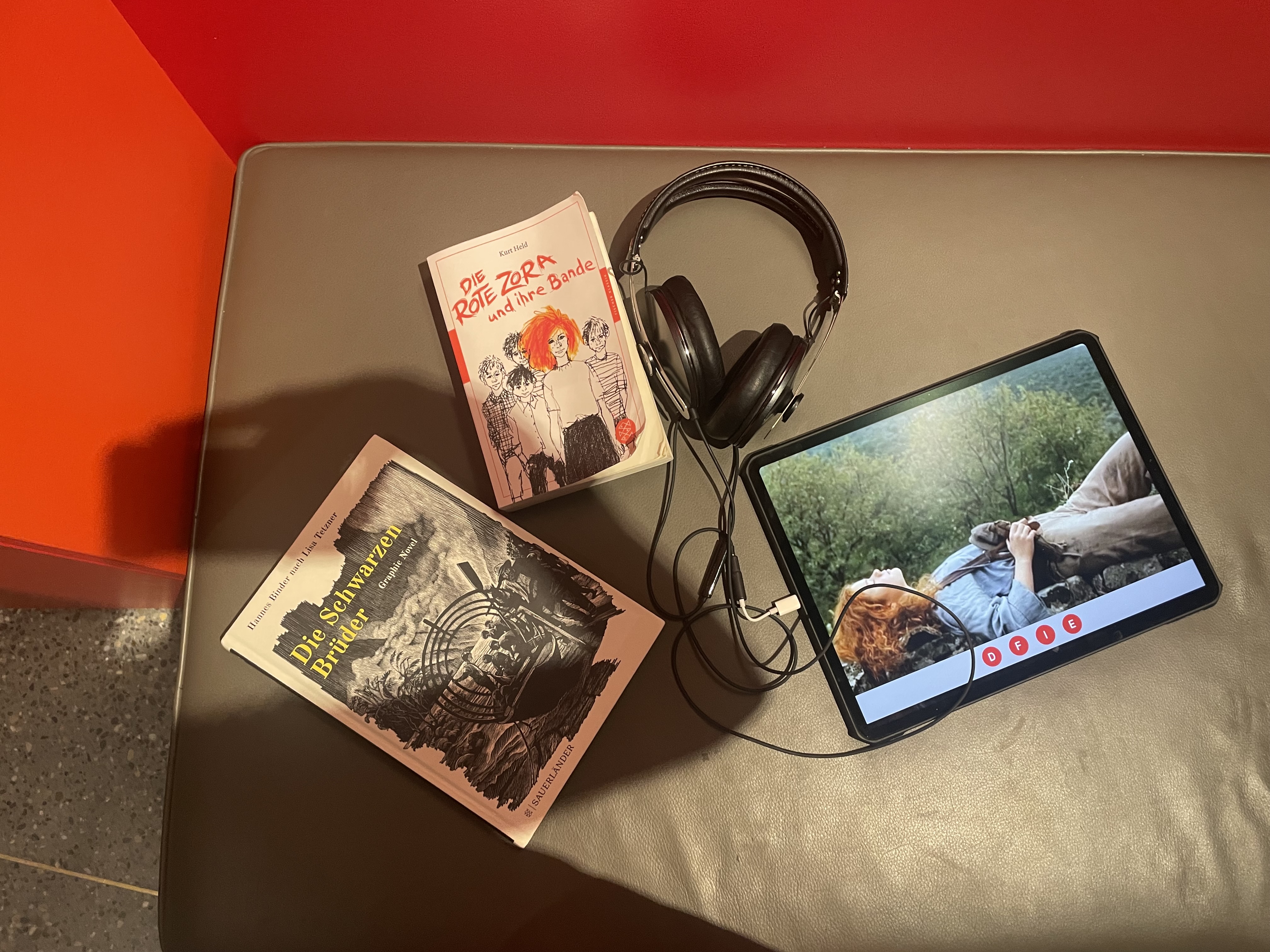
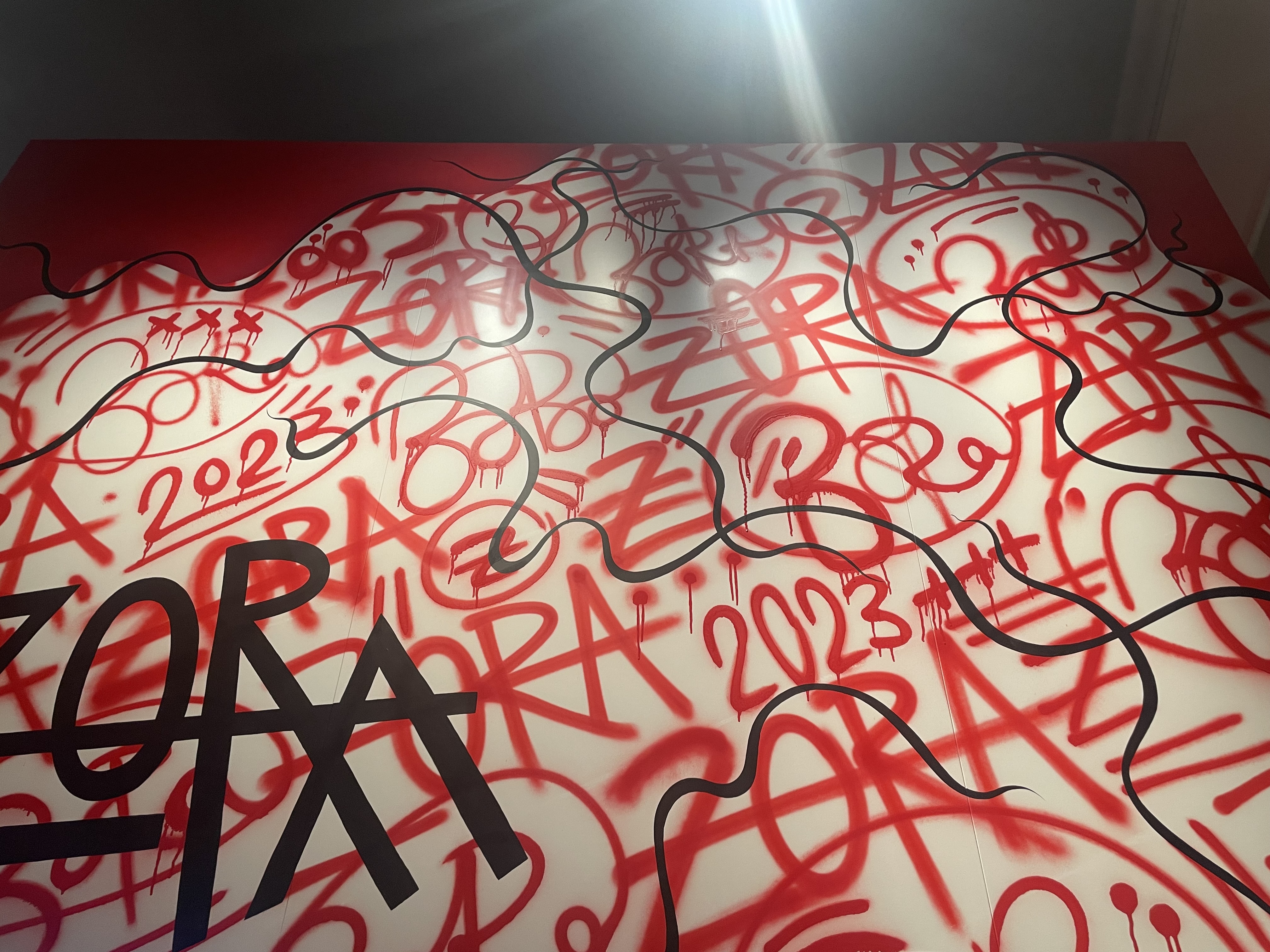
As soon as I enter the exhibition "Rote Zora & Schwarze Brüder" (Red Zora & Black Brothers) in the Landesmuseum Zurich, I sink into the world of Lisa Tetzner and Kurt Kläber: the author couple met a good 100 years ago and wrote books for young people together, some of which became world-famous. The most famous among them: "Die Rote Zora und ihre Bande". A book that also shaped my childhood. The red box dedicated to this book in the Landesmuseum triggers incredible joy and nostalgia in me. I particularly like the design sketches for the book cover, which has always been one of my favourite book covers.

With the help of texts, pictures and many original copies of the couple's letters and manuscripts, this exhibition immerses us in their life and work. In the process, we also learn a lot about the history of Ticino, where the couple spent and wrote a large part of their life together. Part of this history also inspired the book "Die Schwarzen Brüder" (The Black Brothers), another successful book by the couple.

In addition, we learn about the importance of Ticino before and during the Second World War for artists from all over the world and who else sought refuge there besides the Tetzner and Kläber couple. Among other things, it gives us an impressive impression of how writers were able to publish despite a ban on publication. Kurt Kläber had such a ban as soon as he emigrated to Switzerland. Therefore, he published "Die Rote Zora" under the pseudonym Kurt Held.

In addition to short and easy-to-understand information panels, there are also various video recordings, slide shows and my personal highlight; an interview with various people who bear the name "Zora" because of the novel. They tell how this book and the name have influenced them and who they personally consider to be Red Zoras (= courageous strong women). The feminist movement is also briefly addressed and what significance the name Zora plays there. For me personally, this topic could have been looked at in more depth.

On the other hand, I found the length of the exhibition and the different stations very accessible: it gives a good first insight and makes you want to learn more. Taking an hour to see it next month is worthwhile.

Published from Enno Rennenkampff on October 12, 2023.

More from our scouts

The War and Us
14.05.2026

The War and Us

Switzerland likes to portray itself as neutral. The exhibition “Us and the War” at the Swiss National Museum shows just how deeply war is nevertheless embedded in our history.

Viviane L. Tuvera
Viviane L. Tuvera
My first time ... at the Maxim Theatre
22.12.2022

My first time ... at the Maxim Theatre

In this series, authors visit places and look for experiences they have not yet experienced - and report on their "premiere".

Laura Tenchio
Laura Tenchio
32 Questions for the Winterthur Museum of Photography
12.03.2026

32 Questions for the Winterthur Museum of Photography

The Winterthur Museum of Photography is concerned with your visual literacy; it is not part of the entertainment industry, does not break any taboos, but is willing to face our questioning.

Kulturzüri
Kulturzüri

More from your scouts

Soraja Hagspiel
Soraja Hagspiel
Katharina Nill
Katharina Nill
Nadja Heinsius
Nadja Heinsius
Ron Orp
Ron Orp
Steffen Kolberg
Steffen Kolberg
Sonja Streifinger
Sonja Streifinger
All scouts